What we do
We harness the powerful genetic toolkit of Drosophila melanogaster to uncover molecular mechanisms underlying homeostatic stabilization of synaptic transmission. Building on this foundation, we identified rapid homeostatic control of synaptic transmission in the mouse central nervous system, and are investigating whether the mechanisms discovered in Drosophila are evolutionarily conserved. In parallel, we are examining whether analogous mechanisms operate at human synapses and neuronal networks using iPSC-derived systems, and exploring their potential relevance to neurological disease. Finally, we investigate how synaptic homeostasis intersects with behavior and evolution, with a particular focus on sleep.
Our current research program is organized around three major areas:
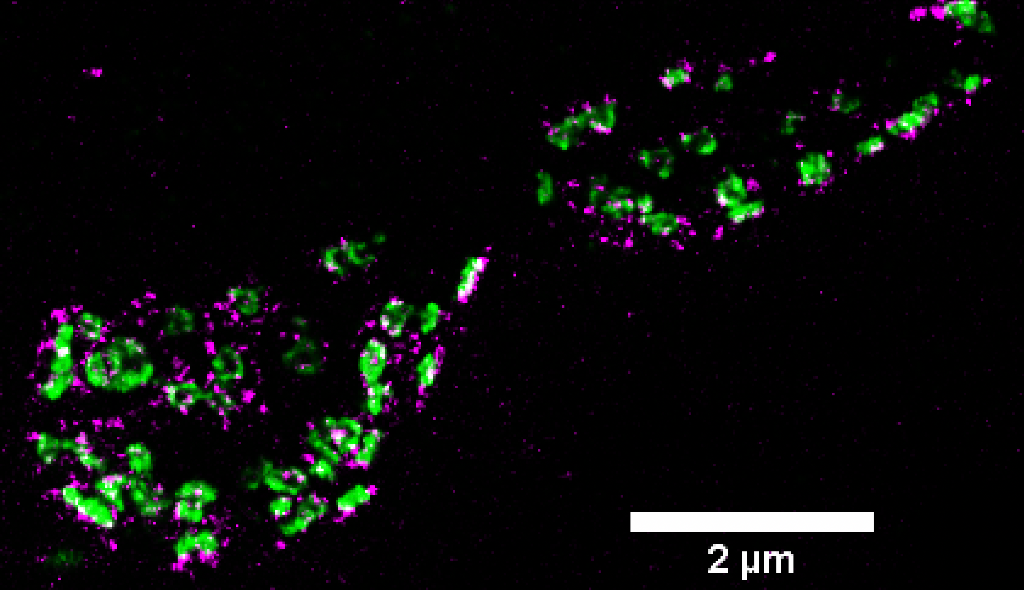
Synaptic nano-architecture and function
Which homeostatic mechanisms regulate synaptic nano-architecture and function?
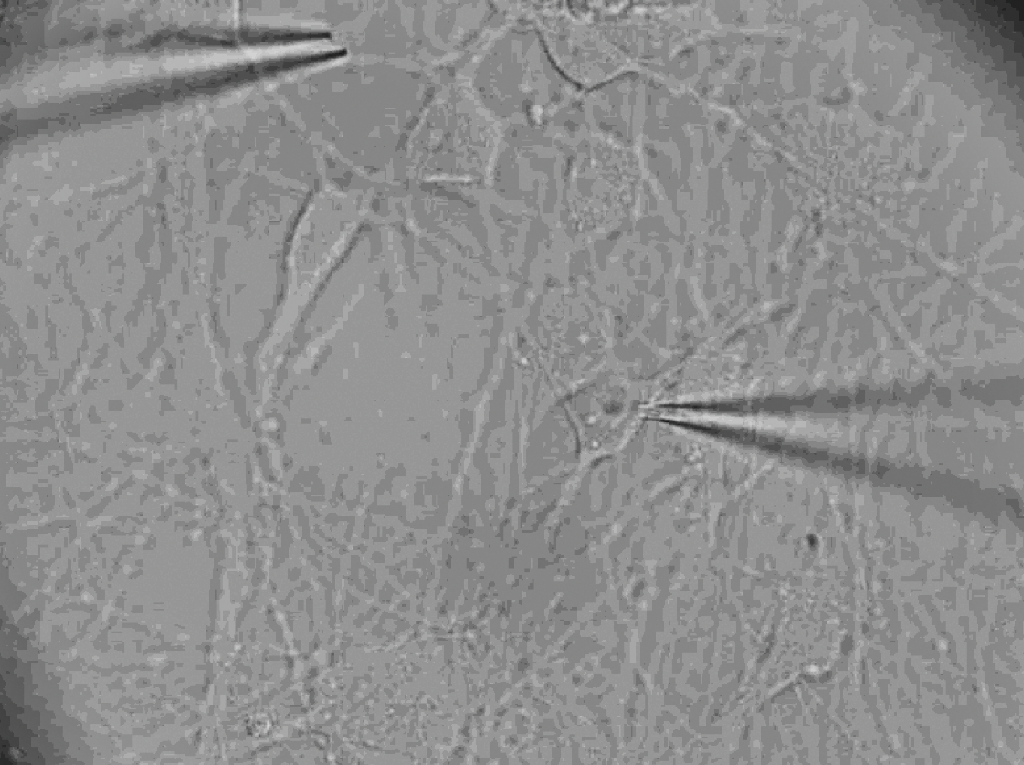
Human neuronal systems and disease
Which homeostatic mechanisms stabilize human neurons, and how do they relate to disease?

Synaptic homeostasis, sleep, and evolution
What is the relationship between synaptic homeostasis and sleep behavior?